-
What We Do
-
How We Think
-
Our People
-
Our Offices
-
About Us
-
Get In Touch

Performance & Governance
Build a healthy enterprise performance and governance culture, deliver outcomes and improve transparency and trust.
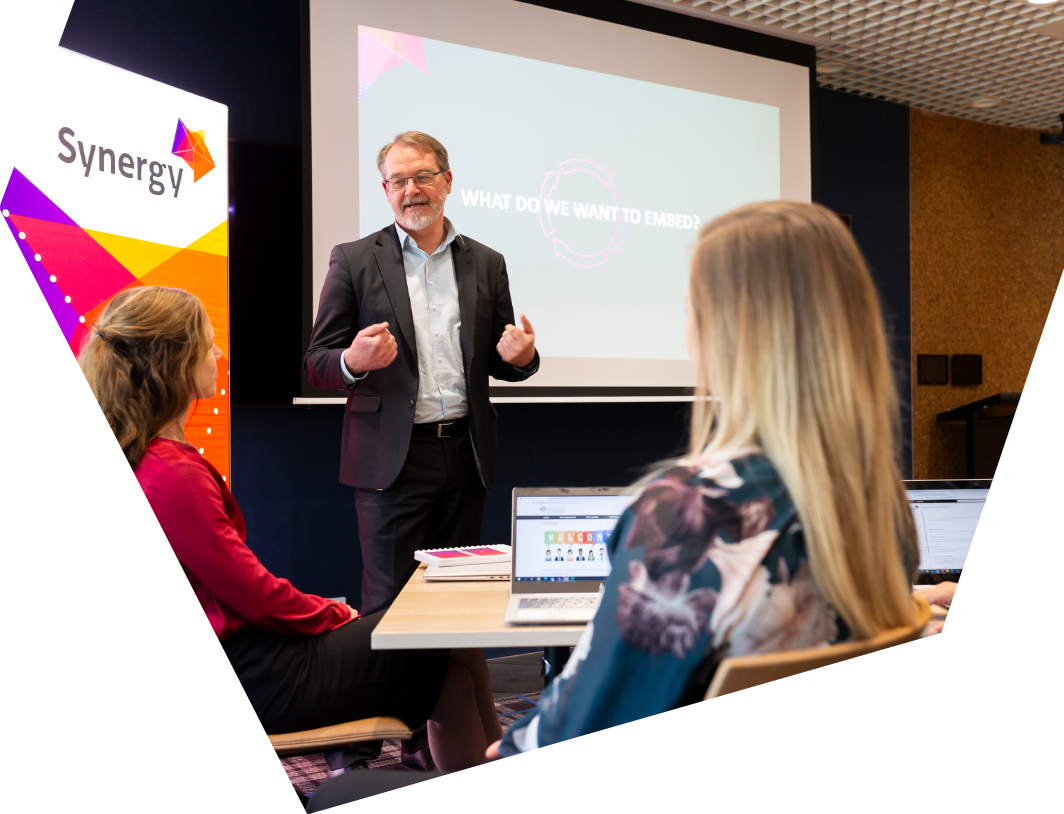
Shape Your Agency's Future
Strong performance and governance practices drive value for organisations. It helps secure outcomes and improve transparency and trust. This is especially important for public sector agencies that are subject to intense public and political scrutiny, often have multiple stakeholders, and are under increasing pressure to meet growing citizen expectations.
Our experience has shown that robust enterprise performance practices are the cornerstone to delivering outcomes for the Commonwealth. A robust approach means you deliver better outcomes for government, clearly articulate the unique value of your agency and drive the right behaviours. We support agencies to design and implement enterprise performance and governance practices to build a healthy performance culture.
Join the webinar
Building a Healthy Performance Culture
How leaders can build a healthy performance culture to deliver greater agency impact. Four things you will discover by joining the webinar:
Performance Frameworks How to build a mature enterprise performance framework so that your agency is ready for ongoing ANAO performance statement audits
Transparent Culture How to foster an open and transparent culture so risks and resources are effectively allocated and managed
Corporate Plan How to ensure your agency’s corporate plan becomes the nexus of your performance culture
Reporting Impact How to use both data and evaluation activity to help monitor, review and report your agency’s impact to external stakeholders
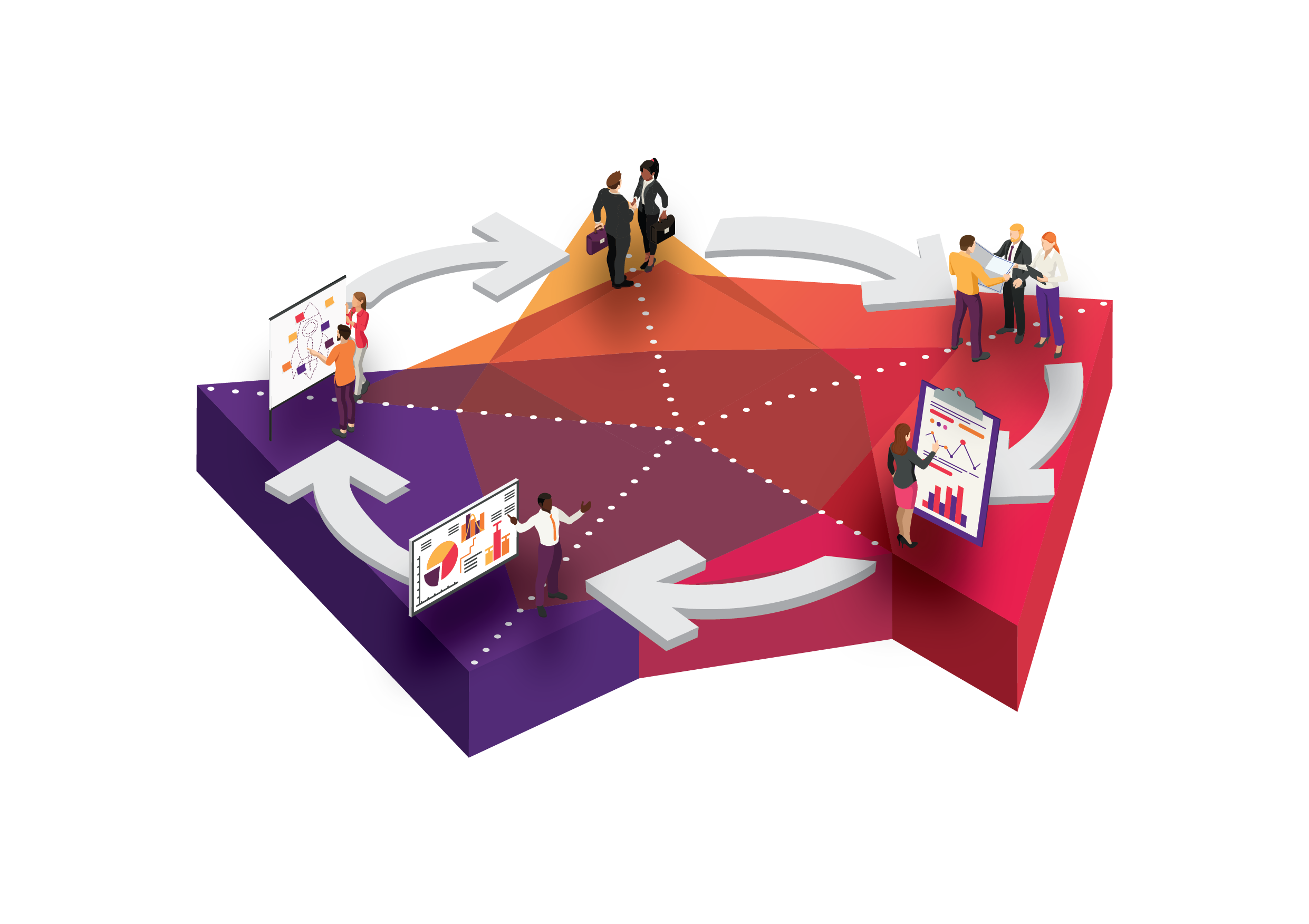
Meet the team
Leaders in Enterprise Performance & Governance
How we think

Insight
The Future Buyer: How AI Could Redefine Procurement
This article explores how AI could reshape the role of the procurement professional—not by replacing them, but by expanding their purpose. We consider three possible shifts: the evolution of procurement as a strategic function, the partnership between humans and machines, and the challenge of embedding ethics and trust in AI-enabled processes.
Read More

Insight
From Military Leader to Defence Consultant
A conversation with Melbourne Partner, Mark Bainbridge
Read More
Case Study
Regional Mobilisation Capability and Capacity Study
The Regional Mobilisation Capability and Capability Study (RMCCS) is an ongoing project Synergy is undertaking within Defence. The intent of the work is to ground-truth assumptions formulated in mobilisation planning activities by assessing the capability and capacity of select regions of Northern Australia to support sustained mobilisation demand.
Read More

Case Study
National Resilience and Preparedness Risk and Prioritisation Program
Synergy was engaged by the Department of Prime Minister and Cabinet (PMC) to deliver a National Civil Preparedness Risk Profile and Prioritisation Assessment Methodology Model to inform a risk-based approach to National Resilience decision making and reporting.
Our team developed a National Civil Preparedness Risk Profile which extensively explored research on 20 primary risks to the civil sector from a major or concurrent national crises and related disruptions.
Fuel security was a key risk identified, and research efforts were focused on highlighting vulnerabilities, in governance, policies, infrastructure and supply chains including contingency plans for emergency fuel distribution. Existing controls to manage fuel risks were derived from open-source research that included government policies and the role of the private sector to inform recommendations for further controls where gaps were identified (e.g. stockpiling and reserves, diversification of supply sources, rationing, and the coordination with states and territories. These controls were prioritization by the data model.
Our team developed a National Civil Preparedness Risk Profile which extensively explored research on 20 primary risks to the civil sector from a major or concurrent national crises and related disruptions.
Fuel security was a key risk identified, and research efforts were focused on highlighting vulnerabilities, in governance, policies, infrastructure and supply chains including contingency plans for emergency fuel distribution. Existing controls to manage fuel risks were derived from open-source research that included government policies and the role of the private sector to inform recommendations for further controls where gaps were identified (e.g. stockpiling and reserves, diversification of supply sources, rationing, and the coordination with states and territories. These controls were prioritization by the data model.
Read More
Case Study
Defence Mobilisation Planning and Analysis
Synergy was engaged by Defence’s Vice Chief of the Defence Force Group to provide expert, independent advice for the development of the Defence Strategic Mobilisation Plan (DSMP). To support this, Synergy developed and delivered an ‘Analysis of the Mobilisation Environment’. This body of research sought to collate quantitative and qualitative evidence to explore the capability and capacity of key national Industries ( private and public), Infrastructure, Critical Material, Workforce, Industry, Science and Technology, Legal Frameworks, and Defence assets to the continuity of the Australian economy during times of strategic regional competition or crisis. These findings from the analysis and research into the broad scope of factors informed the development of the Defence strategic mobilisation plan. The plan was able to address identified vulnerabilities and gaps in national regulatory frameworks, public policies, governance arrangements, investments proirities and broad approaches to national resilience.
Read More
Insight
Mobilisation in the 21st Century: More than Arithmetic
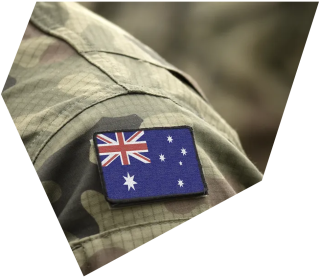
When then-Prime Minister John Curtin declared “total mobilisation” in 1942, he was starting from a position of relative strength. Rapid industrialisation at the beginning on the 20th century had enabled Australia to mobilise its national support base previously during the First World War. It also had the questionable advantage of being at war since 1939, with enemy troops literally at the front door. In 2023 the question of mobilisation is a fundamentally different equation. The Government can’t count on the same social, political, and economic levers that it once did: the tap marked ‘national support base’ won’t work if it doesn’t own the tap anymore, nor control what comes out.
Read More